

Recognizing Gutter Installation in Arkansas
Gutter installation in Arkansas is a vital part of home servicing, particularly given the state’s unique weather conditions. The region experiences a humid subtropical climate, which means heavy rainfall, high humidity, and occasional severe weather events. These considerations make it vital to choose the right gutter materials and installation approaches to shield your residence from water wear.
Arkansas is known for its diverse geography, from the Ozark Mountains in the northwest to the Mississippi River Valley in the east. This variation influences local weather patterns, with some areas experiencing more intense rainfall than others. For instance, Little Rock and Fayetteville often see heavy spring rainfall, which can lead to flooding if gutters are not correctly installed.
Roofing materials also play a role in gutter performance. The type of roof your home has—whether it’s asphalt shingles, metal, or tile—can affect how water flows off the roof and into the gutters. This means that the installation workflow must be tailored to the specific roofing system to ensure optimal function.
Gutter installation in Arkansas is not just about the materials used; it also involves understanding local climate conditions. Homeowners must consider how their gutters will handle the region’s frequent rainstorms, temperature fluctuations, and seasonal changes.
Frequently Gutter Materials used in Arkansas
When it comes to gutter installation in Arkansas, the materials used can significantly impact the installation’s efficiency and longevity. The most common gutter materials in the state consist of aluminum, steel, and vinyl. Each of these alternatives has its own advantages and disadvantages, making it important to select the right one based on your particular needs and local conditions.
Aluminum gutters are a popular choice in Arkansas due to their lightweight nature and resistance to rust. They are easy to install and can be customized to fit multiple roof styles. Steel gutters, on the other hand, are more durable and can withstand harsh weather conditions, making them a good option for areas with heavy rainfall. However, steel gutters are more prone to corrosion if not properly maintained. Vinyl gutters are another option, known for their affordability and ease of installation. They are resistant to rust and can be a good option for residents looking for a cost range-friendly option.
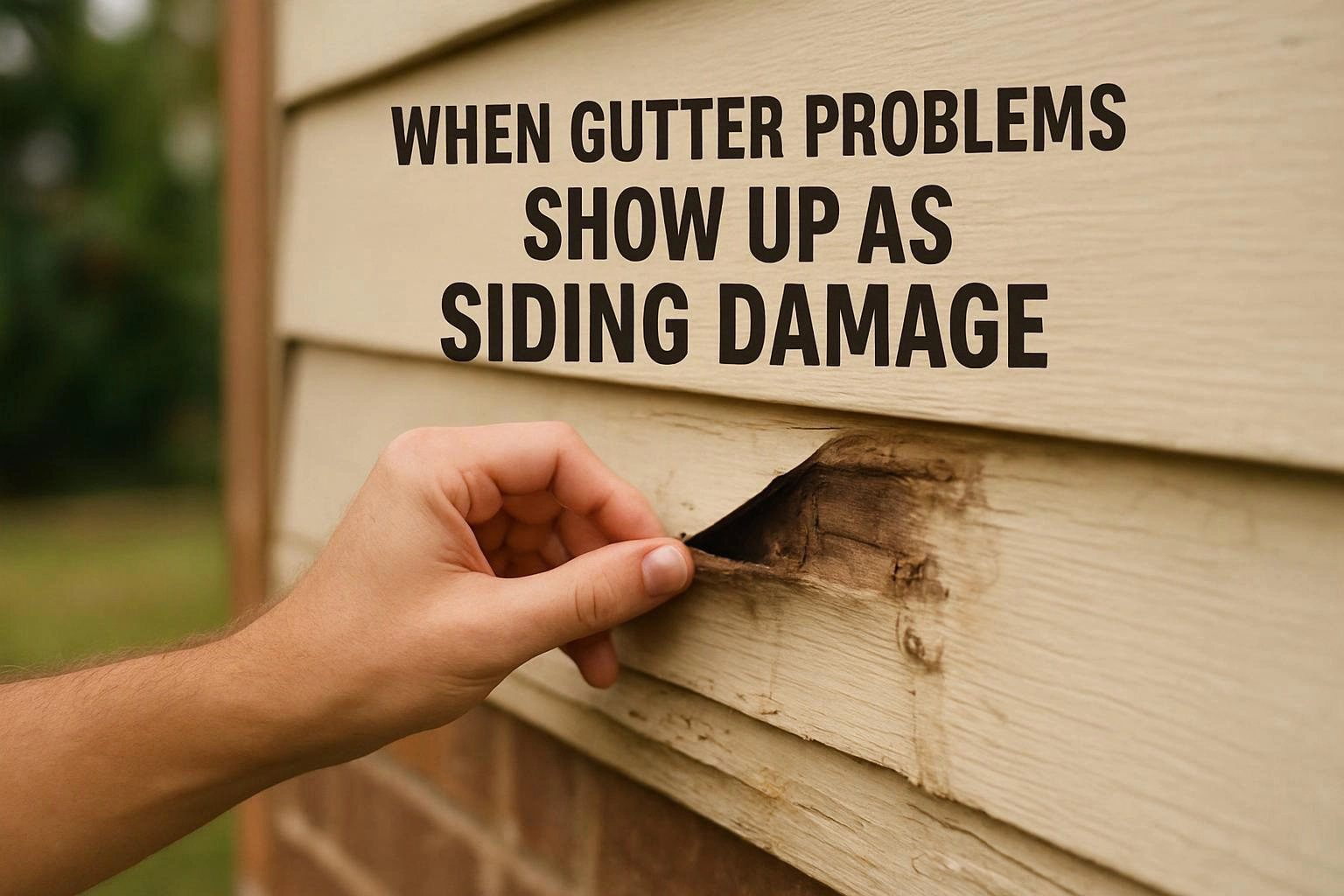
In Arkansas, the selection of gutter materials is influenced by the state’s climate and the particular requires of each property. Whether you opt for aluminum, steel, or vinyl, it’s vital to select materials that can handle the region’s weather conditions and provide long-term protection.
Aluminum Gutters in Arkansas
Aluminum gutters are a popular choice for gutter installation in Arkansas due to their durability and resistance to rust. The state’s climate, which includes heavy rainfall and high humidity, can be challenging for some materials, but aluminum gutters are well-suited to handle these conditions. In cities like Little Rock, where spring flooding is common, aluminum gutters provide a reliable solution for managing water runoff.
One of the key benefits of aluminum gutters is their lightweight design, which makes them easier to install and less likely to cause structural damage to the roof. They are also resistant to corrosion, making them a long-lasting option for homeowners. However, aluminum gutters can be more expensive than other materials, and they may require occasional maintenance to ensure they remain in good condition.
In Arkansas, the use of aluminum gutters is especially advantageous in areas with high rainfall, such as Little Rock and Fayetteville. Their ability to withstand the region’s weather conditions makes them a practical option for many residents. When weighing gutter installation in Arkansas, aluminum gutters are a strong contender for those looking for a balance between cost, durability, and operation.
Steel Gutters in Arkansas
Steel gutters are another option for gutter installation in Arkansas, particularly in areas where durability and strength are crucial. The state’s weather conditions, including heavy rainfall and occasional severe storms, can put a lot of stress on a gutter setup. Steel gutters are known for their strength and ability to withstand these challenges, making them a good choice for property owners in regions like Fayetteville and Fort Smith.
One of the main advantages of steel gutters is their resistance to wear from heavy rain and strong winds. They are also more sturdy than aluminum or vinyl gutters, which can be helpful in areas with common weather changes. Still, steel gutters are more prone to rust if not properly maintained, especially in the humid climate of Arkansas. This means that residents must be diligent about routine maintenance to ensure the longevity of their steel gutters.
In cities like Fayetteville, where the climate can be unpredictable, steel gutters offer a reliable solution for managing water runoff. Their strength and durability make them a practical choice for homeowners who want a long-lasting gutter system. While they may require more maintenance than other materials, the benefits of steel gutters in Arkansas make them a viable option for many.
How Arkansas Climate Affects Gutter Installation
The weather in Arkansas plays a major role in choosing the best strategy to gutter setup. The state experiences a humid subtropical climate, which means it has warm and muggy summer months and moderate winters. This weather leads to regular rain, especially during the springtime and summer time times, which can place significant stress on a home’s gutter system. In urban areas like Little Rock and Fayetteville, heavy spring precipitation can result in overflow if gutters are not correctly mounted.
Temperature variations in Arkansas also impact gutter effectiveness. Abrupt changes in thermals can result in materials to stretch and reduce, which may lead to cracks or leaks in the gutter installation. This is why it’s vital to pick materials that can handle these changes, such as metal or metal gutters. In locales like Fort Smith, where the climate can be more intense, homeowners must be particularly aware of how temperature variations affect their gutters.
Rainfall trends in Arkansas are another critical element in gutter installation. The state obtains a important quantity of rainfall throughout the year, with some areas going through more than others. For example, the Mississippi Valley region is prone to overflow, which can be mitigated with adequate gutter installation. In these regions, it’s crucial to ensure that gutters are designed to handle big amounts of fluid and are mounted correctly to avoid injury to the residence.
Best Gutter Materials for Arkansas Conditions
When selecting the best gutter materials for Arkansas, it’s vital to evaluate the state’s unique climate and weather conditions. The right materials can make a significant difference in the operation and longevity of your gutter installation. Weather-resistant materials are essential in Arkansas, where heavy rainfall and high humidity are common.
Aluminum gutters are a popular option due to their resistance to rust and corrosion, making them well-suited for the state’s humid climate. They are also lightweight and easy to put in, which can be beneficial for residents looking for a trusted and cost-effective approach. In cities like Fort Smith, where the climate can be more extreme, aluminum gutters offer a durable option that can withstand the region’s weather conditions.
Steel gutters are another option that offers strength and durability. They are particularly useful in areas with heavy rainfall, such as Little Rock and Fayetteville, where the risk of flooding is higher. However, steel gutters call for consistent maintenance to prevent rust, especially in the humid climate of Arkansas. https://docs.localcharts.org/new Vinyl gutters are a more affordable option, but they may not be as durable as aluminum or steel in the long run.
In Arkansas, the best gutter materials are those that can handle the state’s weather conditions and provide long-term protection. Whether you choose aluminum, steel, or vinyl, it’s important to select materials that are suitable for the local climate and can withstand the challenges of the region.
Expense of Gutter Installation in Arkansas
The cost of gutter installation in Arkansas can vary depending on several factors, including the type of materials used, the size of the home, and the complexity of the installation. On average, homeowners in Arkansas can expect to pay between $500 and $2,000 for a standard gutter installation, with the final price depending on the specific needs of the project.
Materials contribute a significant role in determining the cost of gutter installation. Aluminum gutters are generally more expensive than vinyl gutters but provide greater durability and resistance to rust. Steel gutters can be a more cost-effective option in some cases, but they may demand more maintenance over time. Vinyl gutters are typically the most affordable choice, but they may not be as long-lasting as other materials.
Labor expenses also contribute to the overall price of gutter installation. In cities like Little Rock and Fayetteville, where demand for professional installation is high, labor expenses may be higher. However, hiring a professional can ensure that the installation is done correctly, which can reduce money in the long run by reducing the need for repairs or replacements.
In Arkansas, the cost of gutter installation can fluctuate depending on the specific needs of the home and the materials selected. Homeowners should consider both the initial cost and the long-term value of their investment when choosing the right gutter system for their property.
Professional Gutter setup Process in Arkansas
Professional gutter installation in Arkansas entails a series of actions that ensure the system is correctly installed and works effectively. The process begins with an assessment of the home’s roof and current gutter system. This supports determine the best materials and setup methods for the particular needs of the property. In cities like Little Rock, where intense rainfall is frequent, a detailed assessment is crucial to ensure the new system can cope with the region’s weather.
Once the evaluation is finished, the next step is to measure the roof and calculate the amount of materials essential. This guarantees that the installation is effective and minimizes excess. The installation process itself involves fixing the gutters to the roof using supports and fasteners, making sure they are properly aligned and angled to allow for correct water flow. In Arkansas, it’s vital to focus attentive focus to the slope and positioning of the gutters to stop water from accumulating or spilling.
After the gutters are placed, the next step is to attach them to the drain pipes, which guide water from the home. This is a vital part of the mounting, as improper water pipe position can result to moisture harm and degradation around the base. In cities like Fayetteville, where the land can be more complex, experienced installers take extra focus to guarantee the downspouts are positioned properly.
Finally, the mounting is finished, and the system is tested to confirm it operates accurately. This includes checking for drips, confirming the gutters are securely attached, and verifying that water drains smoothly through the system. In Arkansas, where the climate can be unpredictable, a well-installed gutter system is essential for protecting the home from moisture damage.
Gutter care and Cleaning in Arkansas
Regular gutter maintenance and sweeping are essential for guaranteeing the right function of a gutter at Arkansas. The state’s regular downpours and elevated humidity can lead to the buildup of debris, which can clog gutters and result water to overflow. In places like Springfield, where autumn waste is common, regular tidying is required to avoid clogs and liquid injury.
One of the main causes for gutter service is to take out leaves, sticks, and other waste that can collect in the device. This debris can create clogs that hinder water from flowing effectively, resulting to challenges such as moisture pooling around the ground or damage to the ceiling. In Arkansas, where heavy rainfall is prevalent, it’s important to tidy gutters often to avoid these challenges.
Another important element of gutter care is examining for drips and harm. Over time, gutters can create cracks or turn unsecured, which can result to water leakage and building harm. In cities like Fort Smith, where the weather can be even severe, frequent reviews are important to detect and resolve any problems before they become critical.
In addition to sweeping and inspecting gutters, it’s also vital to ensure that downspouts are working properly. Water channels should be guided far from the base to avoid water from accumulating around the foundation of the house. In Arkansas, where inundation is a concern, right downspout placement is vital for protecting the land from liquid injury.
Arkansas Building Codes for Gutter Installation
Arkansas has specific building codes and regulations that govern gutter installation to ensure security and correct functionality. These codes are designed to shield homeowners from water wear and make sure that gutter systems are installed properly. In cities like North Little Rock, where local ordinances are strict, it’s vital to follow these guidelines to avoid possible concerns.
One of the key aspects of Arkansas building codes is the requirement for proper gutter slope. Gutters must be installed with a slight incline to make sure that water flows smoothly toward the downspouts. This assists avoid water from pooling and causing harm to the roof or foundation. In North Little Rock, where the climate can be unpredictable, following these slope needs is essential for a functional gutter setup.
Another important regulation is the placement of downspouts. In Arkansas, downspouts must be positioned to direct water away from the foundation of the residence. https://md.coredump.ch/JJ1XewYfTAiS4E6zS8J3iA This supports prevent water from seeping into the basement or causing erosion around the base of the house. In cities like Little Rock, where heavy rainfall is typical, proper downspout placement is crucial for protecting the property.
Local ordinances in Arkansas also address the materials used for gutter installation. Some areas may have particular requirements for the type of materials that can be used, based on the region’s climate and weather conditions. In North Little Rock, for example, certain materials may be recommended to ensure durability and resistance to the local climate.
By following Arkansas building codes and local ordinances, homeowners can ensure that their gutter systems are installed correctly and function effectively. These regulations help maintain the integrity of the home and prevent potential water-related issues.
What are the most common types of gutters used in Arkansas?
In Arkansas, the most common types of gutters used are aluminum, steel, and vinyl. Aluminum gutters are popular due to their durability and resistance to rust, making them well-suited for the state’s humid climate. Steel gutters are chosen for their strength and ability to withstand heavy rainfall, while vinyl gutters are a more affordable option that is easy to install and maintain. For dependable Gutter Installation in Arkansas in Arkansas, AGM Gutters provides experienced guidance and practical solutions.
How do climate conditions in Arkansas affect gutter installation?
The climate in Arkansas, known by heavy rainfall and high humidity, exerts a significant role in gutter installation. The state’s weather conditions can lead to frequent flooding, especially in areas like Little Rock and Fayetteville. This means that gutter systems must be designed to handle large volumes of water and be installed correctly to prevent damage to the home. Temperature fluctuations also affect gutter performance, requiring materials that can withstand these changes.
What materials are best suited for Arkansas weather?
The best materials for gutter installation in Arkansas are those that are weather-resistant and durable. Aluminum gutters are a popular choice due to their resistance to rust and corrosion, making them appropriate for the state’s humid climate. Steel gutters supply strength and durability, which is beneficial in areas with heavy rainfall. Vinyl gutters are a significantly affordable option but may not be as long-lasting as aluminum or steel in the long run.
What is the typical cost of gutter installation in Arkansas?
The cost of gutter installation in Arkansas can vary depending on the materials used, the size of the home, and the complexity of the installation. On average, homeowners can expect to pay between $500 and $2,000 for a standard gutter installation. Materials like aluminum and steel tend to be considerably expensive, while vinyl gutters are generally the most affordable option. Labor costs also impact a role in the final price, especially in cities like Little Rock and Fayetteville where demand for professional installation is high.
How often should gutters be cleaned in Arkansas?
In Arkansas, gutters should be cleaned at least twice a year to ensure proper function. The state’s regular rainfall and high humidity can cause the accumulation of debris, which can obstruct gutters and cause water to overflow. In cities like Springfield, where fall debris is common, regular cleaning is critical to prevent blockages and water damage. Homeowners should also examine their gutters after heavy storms to ensure they are functioning correctly and make any necessary repairs.