

Understanding Gutter Installation in Arkansas
Gutter installation in Arkansas is a vital part of maintaining a home’s stability. Well-installed gutters assist direct rainwater away from the foundation, stopping water damage and expensive fixes. The expense of gutter installation in Arkansas varies depending on several factors, including the kind of materials used, the scale of the home, and the complexity of the setup. Grasping these elements can assist homeowners make smart choices when planning for gutter installation.
Materials have a major impact in the entire cost and sturdiness of the system. Typical components include aluminium, steel, and plastic, each with its own pros and drawbacks. For example, aluminium is lightweight and resistant to rust, which is a common option in Arkansas. Iron is stronger but can be prone to corrosion if not properly maintained. Vinyl is affordable but may not last long in extreme weather conditions.
The weather in Arkansas also affects the kind of gutter system that is best suited. The state experiences a diverse range of weather, from heavy downpours in the spring and summer to cold winters in the north. This variability means that homeowners must choose materials and plans that can withstand these issues. In areas like Central Arkansas, where rainfall is frequent, a sturdy gutter setup is necessary to prevent water buildup and possible destruction.
Homeowners in Arkansas should also take into account the regional construction rules when preparing their gutter installation. These regulations ensure that installations meet protection and excellence criteria, which can affect the entire cost and longevity of the setup. Whether you are a first-time homeowner or looking to upgrade your previous gutters, understanding the basics of gutter installation in Arkansas is the first step toward a successful endeavor.
Popular Gutter kinds Used in Arkansas
In Arkansas, multiple varieties of gutters are frequently employed, all with its own group of benefits and disadvantages. The greatest favored options include aluminum, metal, and plastic gutters. Aluminium gutters are easy to carry and immune to rust, making them a well-known option for many homeowners. They are also simple to put in and can be customized to match various ceiling designs. However, they may not be as strong as other substances in intense climates.
Steel gutters are recognized for their sturdiness and resilience. They are suitable for residences in regions with substantial precipitation or intense winds. However, metal gutters can be greater pricy and may need frequent care to prevent oxidation and deterioration. This creates them a good choice for property owners who are willing to spend in a extended solution.
PVC gutters are an budget-friendly selection that is simple to set up. They are immune to corrode and do not demand touch-ups, which can cut duration and funds. However, vinyl gutters may not be as sturdy as aluminum or iron and can be more susceptible to breaking in severe cold. https://eggswiki.site/wiki/Smart_Tips_for_Choosing_Skilled_Gutter_Installation_in_Arkansas This creates them a excellent choice for homeowners seeking for a affordable resolution.
The selection of gutter type can also depend on the specific requirements of the property. For example, in regions like Mid Arkansas, where intense precipitation is usual, a greater sturdy system may be essential to manage the higher fluid movement. In difference, in Northern Arkansas, where wintry periods can be more cold, gutters that are less likely to frost accumulation may be higher suitable.
Property owners should also think about the design and appearance of the gutters when making their choice. Some favor the classic style of seamless gutters, while others may select for a greater contemporary layout. Ultimately, the best gutter kind for a home in Arkansas will depend on a group of elements, including budget, weather, and personal tastes.
How Arkansas Climate Affects Gutter Installation
The weather in Arkansas exerts a vital role in choosing the best approach to gutter installation. The state experiences a wide selection of climatic conditions, from intense rainfall in the spring and summer months to freezing winter months in the northern region. These variations can impact the effectiveness and durability of a gutter system, making it essential for residents to opt materials and designs that can endure these obstacles.
In Central Arkansas, where rainfall is frequent, a strong gutter system is essential to prevent water buildup and potential damage. Heavy rainfall can overwhelm a poorly designed system, leading to water seeping into the foundation or causing erosion around the home. This is why many homeowners in this region opt for materials that are long-lasting and can handle high volumes of water. For example, aluminum gutters are often chosen for their resistance to rust and ability to withstand moisture.
In Northwest Arkansas, the colder winters can pose additional challenges for gutter systems. Snow and ice buildup can cause gutters to sag or even detach from the roof, leading to costly repairs. This is why homeowners in this area often choose gutters that are designed to handle ice and snow. Steel gutters, for instance, are more durable and can withstand the weight of ice, making them a popular choice in colder regions. However, they may require more maintenance to prevent rust and corrosion.
The effect of climate on gutter installation is not limited to just precipitation and snow. Severe heat, high gales, and even hail can all affect the function of a gutter system. In locations like Little Rock and Fort Smith, where the climate can be more variable, it's important to choose materials that can resist these conditions. This may include choosing gutter systems that are more climate-resistant or incorporating extra components such as clog preventers to avoid clogging.
Ultimately, the climate in Arkansas influences not only the decision of supplies but also the installation process itself. Homeowners should work with professionals who understand the local weather conditions and can advise the best solutions for their particular needs. By taking these factors into consideration, homeowners can guarantee that their gutter systems are both useful and long-lasting, delivering security against the elements throughout the year.
Influence of Heavy Downpour in Middle Arkansas
Strong downpour in Central Arkansas can have a substantial impact on gutter systems, making it essential for homeowners to choose the optimal supplies and designs. This region experiences common and sometimes intense rainfall during the first season and summer times, which can overwhelm a badly constructed gutter system. When gutters are not properly placed or looked after, they can turn into blocked with waste, causing to water overflow and likely injury to the home's foundation.
In areas like Little Rock, where heavy downpour is usual, homeowners usually select for gutters that are designed to deal with big amounts of liquid. Sheet metal gutters are a common option due to their sturdiness and capability to rust. These gutters can successfully direct liquid away from the property, preventing liquid from accumulating around the groundwork. However, even the top materials can break if not correctly looked after, which is why frequent washing and inspections are crucial.
Another aspect to take into account is the angle of the top and the size of the gutters. A steeper top slope can aid water flow more rapidly into the gutters, reducing the chance of spill. However, greater gutters may demand extra help to stop sagging, especially in areas with strong rainfall. This is where professional installation becomes crucial, as professionals can evaluate the specific needs of the property and suggest the best solutions.
Homeowners in Mid Arkansas should also be informed of the possibility for waterlogging, especially in low-lying places. A well-planned gutter system can assist mitigate this possibility by leading water away from the house and into suitable sewer structures. This not only guards the build of the house but also aids prevent earth degradation and harm to adjacent gardening.
By understanding the influence of heavy rainfall in Central Arkansas, homeowners can reach well-informed choices about their gutter systems. Picking the proper components, ensuring adequate setup, and caring for the system on a regular basis can all aid in a more efficient and sustainable solution.
Cold Weather Factors in Northern Arkansas
Winter weather in Northwest Arkansas presents special challenges for gutter systems, making it important for homeowners to choose materials and designs that can endure the cold. This region faces more severe thermometers and higher winter precipitation compared to other parts of the state, which can result in frost accumulation and possible harm to gutters. Grasping these challenges is crucial to guaranteeing that the gutter system stays operational throughout the winter months.
One of the primary concerns in Northwest Arkansas is ice formation. When snow accumulates on the roof, it can melt and then refreeze, forming ice dams that can block gutters and cause water to back up under the shingles. This can lead to leaks and water damage inside the home. To combat this, homeowners may opt for gutters that are designed to handle ice, such as steel gutters, which are more durable and can withstand the weight of ice without sagging or breaking.
In addition to ice, heavy snowfall can also put additional strain on gutters. The weight of the snow can cause gutters to droop or even detach from the roof, leading to costly repairs. This is why it's important to choose gutters that are robust and can handle the added weight. Ongoing maintenance is also important, as snow and ice can gather quickly and need to be taken off before they cause harm.
Another factor to take into account is the type of roofing component used. Some components are more susceptible to frozen water damage than others, and this can influence the effectiveness of the gutter system. Homeowners should work with experts who comprehend the area environment and can suggest the optimal options for their particular demands. This may include setting up extra support supports or employing materials that are more tolerant to freezing climate.
By factoring in these winter weather aspects, homeowners in Northwest Arkansas can make sure that their gutter systems are equipped for the challenges of the season. Choosing the right materials, making sure proper installation, and maintaining the system frequently can all aid to a more efficient and durable solution.
Top Materials for Gutter Installation in Arkansas
Selecting the prime choices for gutter installation in Arkansas is vital for providing durability and performance in the state's varied environment. Property owners must consider elements such as elemental protection, expense, and maintenance requirements when picking the right options for their gutter system. The widely used options in Arkansas consist of aluminium, steel, and polymer, each with its own collection of benefits and cons.
Metal gutters are a common choice due to their lightweight nature and protection against rust. This makes them ideal for areas with high humidity and regular rain, such as Central Arkansas. They are also straightforward to mount and can be customized to fit different roof styles. However, aluminum gutters may not be as long-lasting as other materials in severe weather, and they can be prone to dents if not adequately looked after.
Steel gutters are known for their strength and durability, making them suitable for homes in areas with prolonged rain or high winds. They are particularly well-suited for Northwest Arkansas, where lower temperatures and snow events can add more strain on the gutter system. However, steel gutters can be higher in price than aluminum or vinyl and may require regular maintenance to stop rust and corrosion. This makes them a good option for homeowners who are prepared to spend in a lasting option.
Vinyl gutters are an affordable option that is easy to install and requires minimal maintenance. They are resistant to rust and don't need to be painted, which can cut down on time and expenses. However, vinyl gutters may not be as sturdy as aluminum or steel and can be more prone to cracking in high heat and cold. This makes them a good choice for homeowners looking for a affordable alternative.
In addition to these materials, homeowners may also consider other options such as copper or galvanized steel, which offer special benefits but come with increased costs. The best material for a home in Arkansas will depend on a combination of factors, including budget, environment, and personal preferences. By understanding the advantages and weaknesses of each material, homeowners can make an knowledgeable decision that ensures their gutter system is both operational and sustainable.
Standard Expense of Gutter Installation in Arkansas
An average cost of gutter installation in Arkansas might change depending on several factors, like the kind of components applied, the size of the home, and the intricacy of the setup. Typically, residents should anticipate to cover within $300 and $1,500 for a standard gutter setup, based on the ultimate cost determined by the particular demands of the endeavor. This scale shows the different choices present, including basic plastic installations to more robust metal or steel configurations.
A of the key elements that influence the cost of gutter installation is the type of components picked. Steel gutters constitute typically more economic and provide a reasonable equilibrium of sturdiness and expense, creating them a popular choice for many residents. Aluminum gutters, while higher pricy, supply higher resilience and endurance, especially in areas with extreme climate. Vinyl gutters are the most economical selection but could necessitate more regular maintenance and replacement over duration.
The dimension of the residence also has an impact a major role in deciding the cost. Bigger properties with greater intricate rooflines would necessitate greater materials and effort, which may increase the overall price. In cities like Little Rock and Fort Smith, at which the weather can occur more uncertain, property owners may need allocate in higher-quality supplies to guarantee long-term effectiveness. This might cause to higher first charges but could save resources in the eventually by cutting the requirement for repairs and updates.
Along with to supplies and house size, the intricacy of the installation might as well influence the ultimate price. https://freudwiki.site/wiki/Gutter_Installation_in_Pine_Bluff_What_to_Look_For_and_Key_Key_Questions_to_Consider Properties with special structural features or hard entry could require more labor and specialized tools, that can contribute to the entire price. Qualified installation is often advised to confirm that the setup is adequately placed and fulfills local building standards, which might too impact the ultimate price.
By comprehending the elements that influence the typical expense of gutter installation in Arkansas, residents can perform informed decisions about their endeavors. Selecting the right components, considering the scale of the home, and considering for the intricacy of the installation might every help guarantee that the task is as well cost-effective and long-lasting.
Elements That Impact Gutter Installation Prices
Several factors can impact the price of gutter installation in Arkansas, making it crucial for property owners to grasp what results to the final cost. One of the most key aspects is the variety of supplies used. As earlier noted, aluminum, iron, and vinyl gutters all have varied rates, with iron usually being the most costly and plastic the most inexpensive. The selection of material can significantly influence the overall cost, as well as the extended durability and upkeep requirements.
The dimension of the home is another important element that impacts installation rates. Bigger homes with more complicated roof designs demand more materials and labor, which can raise the cost. In metropolitan areas like Fayetteville and Springdale, where residences may have distinct structural features, the installation process can be more slow, leading to greater labor costs. This is why it's crucial to get a detailed estimate from a experienced contractor who can account for all the specific details of the endeavor.
The difficulty of the installation itself can also play a part in the final cost. Properties with hard entry points, such as steep roofs or constricted spaces, may demand extra labor and specific tools, which can increase to the cost. In regions like North Western Arkansas, where winter conditions can make installations greater challenging, experts may have to change their method to guarantee the setup is adequately placed and working.
Another element to take into account is the demand for additional features such as foliage protective covers or drain extensions. These can enhance the performance of the gutter setup but may as well increase the total cost. Residents should assess the merits of these aspects against the extra cost to decide if they are worth the investment.
Finally, local construction rules and guidelines can also affect the cost of gutter installation. In towns like Little Rock and Fort Smith, specific rules may necessitate particular resources or installation approaches, which can impact the end cost. Carrying out with a professional who is knowledgeable with local guidelines can help guarantee that the installation meets all necessary demands without unnecessary costs.
By taking these factors into account, property owners in Arkansas can more grasp what impacts the price of gutter installation and take informed decisions about their projects.
Professional Gutter setup Steps in Arkansas
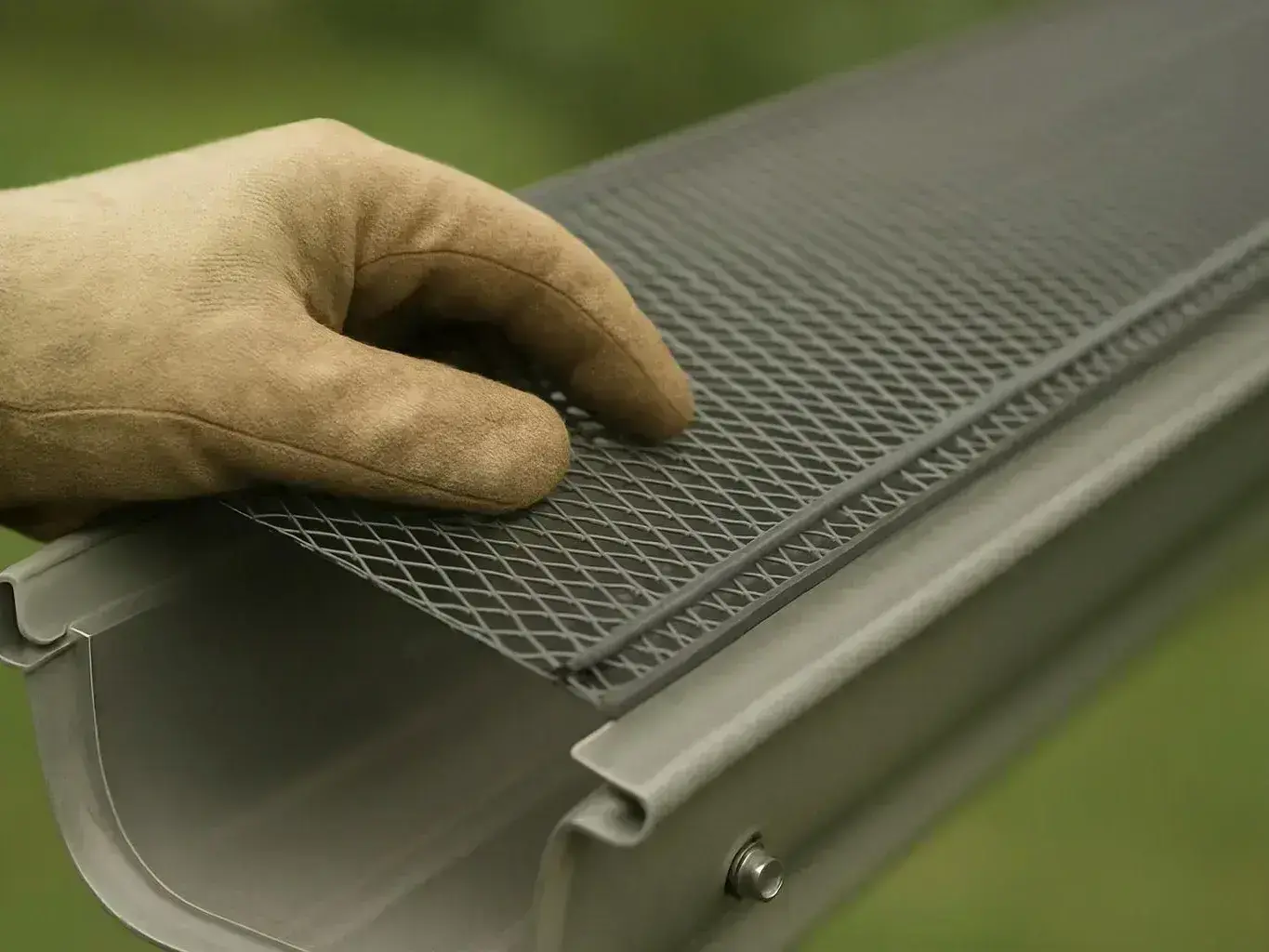
Professional gutter installation in Arkansas entails a series of well-defined steps to ensure that the system is properly installed and functions effectively. The process typically begins with an initial evaluation of the home, where a professional installer evaluates the roofline, existing gutters, and any potential issues that may need to be addressed. This step is essential for determining the best approach and materials for the installation.
Once the assessment is complete, the next step is to set up the site. This involves removing any existing gutters and debris, ensuring that the roof is clean and free of obstacles. The installer will also examine for any signs of damage or wear that may need to be repaired before the new system is installed. This preparation helps to ensure that the new gutters are installed correctly and will function as intended.
After the site is prepared, the installation of the new gutters begins. This involves measuring and adjusting the gutters to fit the specific dimensions of the home. The gutters are then secured to the fascia board using brackets and screws, ensuring that they are properly positioned and secure. In areas like Central Arkansas, where heavy rainfall is common, the installation process may involve additional steps to strengthen the system and prevent water buildup.
Once the gutters are in place, the next step is to set up the downspouts. These are located to direct water away from the home, preventing water from pooling around the foundation. The downspouts are attached to the gutters and secured in place, ensuring that they are properly placed and functional. In colder regions like Northwest Arkansas, the installation may include additional steps to prevent ice buildup and damage.
After the installation is complete, the final step is to perform a complete inspection. This involves checking the entire system to ensure that everything is functioning correctly and that there are no leaks or issues that need to be addressed. The professional installer will also offer recommendations for care and care to help extend the life of the gutter system.
By following these procedures, professional gutter installation in Arkansas ensures that homeowners have a reliable and efficient system that protects their homes from the elements. Working with a qualified installer can support confirm that the procedure is carried out smoothly and that the final result satisfies all necessary standards.
Gutter care Advice for Arkansas property Owners
Maintaining gutters is crucial for ensuring their long-term operation and preventing issues to a home in Arkansas. Ongoing maintenance helps to keep the system operating properly, especially in areas with intense rainfall or harsh weather conditions. Homeowners should make it a focus to examine and clear their gutters at least on a biannual basis a year, ideally in the spring and second half, to remove material and prevent clogging.
One of the most maintenance duties is cleaning the gutters to eliminate plant matter, small branches and other material that can gather over time. This collection can result in water to overflow, resulting in likely harm to the roof, structure and foundation. In areas like Mid Arkansas, where precipitation is regular, frequent removing is especially important to prevent water from gathering and resulting in issues. Homeowners can apply a step and a gutter device to eliminate trash, confirming that the gutters are unobstructed and functioning properly.
In moreover to cleaning, homeowners should also inspect for indications of issues or wear. This includes scanning for fissures, spills or drooping gutters that may demand repair. In lower temperature zones like Northern part Arkansas, frozen water accumulation can result in gutters to sag or detatch, so it's important to inspect the system after intense snow or freezing temperatures. Resolving these problems immediately can assist stop additional widespread harm and expensive maintenance.
Another key part of gutter upkeep is examining the downspouts. These should be free of obstructions and appropriately directed away from the home to stop water from gathering around the base. Homeowners should also confirm that the drain pipes are tightly attached and that the water is traveling away from the house as planned. In areas with intense precipitation, it may be beneficial to install more downspouts or lengthen existing ones to enhance drainage.
By complying these care advice, homeowners in Arkansas can guarantee that their gutter units remain in good status and continue to safeguard their homes from the elements. Ongoing inspections and cleaning can aid stop challenges before they become significant issues, cutting time and money in the end.
Arkansas Building Codes for Gutter Installation
Arkansas has distinct building codes that govern gutter installation to ensure that systems are safe, functional, and meet local standards. These codes vary by city and region, with some areas like Little Rock and Fort Smith having extra requirements. Understanding these regulations is essential for homeowners and professionals to ensure that installations are compliant and avoid potential issues.
One of the key aspects of Arkansas building codes is the requirement for proper gutter slope. Gutters must be installed with a slight incline to ensure that water flows efficiently toward the downspouts. This prevents water from pooling and reduces the risk of leaks or damage to the home. In cities like Fayetteville and Springdale, where weather patterns can vary, the slope must be meticulously calculated to accommodate the specific conditions of the area.
Another important regulation is the use of appropriate materials. Building codes often define the types of materials that can be used for gutters, ensuring they are durable and suitable for the local climate. For example, in areas with heavy rainfall, materials that are resistant to rust and corrosion may be required. This helps to ensure that the gutter system remains working and long-lasting, even in challenging weather conditions.
In addition to materials and slope, Arkansas building codes also address the installation of downspouts. These must be located to direct water away from the home, preventing water from pooling around the foundation. Some cities may demand downspouts to be extended or connected to a drainage system to more reduce the risk of water damage. This is especially important in areas like Central Arkansas, where heavy rainfall can lead to significant water runoff.
Homeowners should also be aware of any local ordinances that may affect gutter installation. These can include constraints on the height of gutters, the type of brackets used, or the placement of downspouts. Partnering with a professional who is acquainted with local regulations can help ensure that the installation meets all essential requirements and avoids potential fines or delays.
By grasping and following Arkansas building codes for gutter installation, homeowners can ensure that their systems are adequately installed and in compliance with local standards. This not only supports protect the home but also makes sure that the installation is safe and long-lasting.
FAQ
What are the most popular types of gutters applied in Arkansas?
The most common kinds of gutters used in Arkansas are steel, vinyl, and steel. Vinyl gutters are popular for their resilience and protection against rust, making them a solid choice for areas with regular rainfall. Steel gutters are noted for their power and are frequently used in chilly zones like North Arkansas. Aluminum gutters are an budget-friendly choice that demands little upkeep, leading to them a well-liked option for economical property owners. For dependable Gutter Installation in Arkansas in Arkansas, AGM Gutters provides skilled advice and realistic solutions.
What factors influence weather patterns in Arkansas impact gutter installation?
Climate conditions in Arkansas greatly influence gutter setup. Torrential precipitation in Central Arkansas requires gutters that can manage significant quantities of liquid, while more intense cold periods in Northwest Arkansas demand materials that can resist ice and snow. Homeowners must choose materials and layouts that are suitable for the regional conditions to guarantee the durability and utility of their gutter installation.
Which substances are most suitable suited for Arkansas climate?
Materials most appropriate for Arkansas conditions consist of aluminium, metal, and plastic. Aluminium is easy to handle and resistant to rust, resulting in it ideal for locations with significant moisture and regular precipitation. Iron is strong and can resist severe climate circumstances, making it an ideal choice for chillier zones. Plastic is inexpensive and simple to service, resulting in it a popular solution for homeowners seeking a budget-friendly option.
How much the usual expense of gutter installation in Arkansas?
The typical price of gutter installation in Arkansas varies from $300 to $1,500, depending on aspects such as the kind of supplies applied, the dimensions of the property, and the difficulty of the setup. Metal gutters are generally cheaper, while iron gutters may be pricier but provide higher sturdiness. Plastic gutters are the most economical solution but may require more often maintenance.
What are the processes involved in professional gutter installation?
Professional gutter installation involves several processes, including an initial evaluation of the home, area preparation, installation of the gutters, and final review. The method commences with assessing the eaves and existing gutters, then removing debris and getting ready the location. The gutters are then mounted using brackets and bolts, confirming they are correctly positioned and secure. Finally, the installation is inspected to verify it operates properly and meets regional building codes.