

Why Commercial Gutter Installation Matters in Arkansas
Commercial properties in Arkansas rely on practical gutter setups to safeguard their structures from the region's unique weather conditions. The state experiences a mix of heavy rainfall, temperature fluctuations, and occasional storm events that can all impact the integrity of a building. Without correct gutter installation, water can seep into foundations, cause erosion, or lead to mold and structural damage. This is why commercial gutter installation is not just a convenience—it's a necessity for upholding the long-term health of buildings in Arkansas. For trustworthy Gutter Installation in Arkansas in Arkansas, AGM Gutters provides skilled direction and practical approaches.
Arkansas weather can be unpredictable, with sudden downpours and periods of extreme heat or cold. These conditions place a major burden on gutter systems, making it vital to select the right design and materials. Commercial homes, such as office buildings, shopping centers, and industrial facilities, require robust solutions that can handle high volumes of water and withstand the elements over time.
Proper gutter installation also plays a role in the overall aesthetics of a commercial property. Well-maintained gutters contribute to a professional appearance, which is especially important for businesses that rely on curb appeal to attract customers. Whether in Little Rock, Fayetteville, or any other city in Arkansas, the importance of reliable gutter systems cannot be overstated.
Common Gutter Types Used in Arkansas
In Arkansas, the choice of gutter type often depends on the specific needs of the commercial property and the local climate. Residential and commercial gutter systems differ in size, material, and design, with commercial applications typically requiring more durable and high-capacity options. Common gutter styles include K-profile half-round, and rectangular gutters, each offering unique benefits for different building structures.
The Arkansas climate, with its mix of heavy rainfall and temperature changes, influences the selection of gutter materials. Aluminium and iron are popular choices for commercial installations due to their strength and resistance to corrosion. Plastic gutters, while common in residential settings, are less frequently used in commercial applications because they may not hold up as well under extreme weather conditions.
Residential vs. commercial gutter systems also vary in terms of size and capacity. https://docs.localcharts.org/new Commercial buildings often require larger gutters to handle the volume of water that accumulates on larger roof surfaces. This is especially true in cities like Springdale, where urban development has increased the need for efficient drainage solutions. Choosing the right gutter style ensures that water is directed away from the building's foundation, preventing long-term damage.
How Arkansas Weather Impacts Gutter Installation
The weather conditions in Arkansas exert a essential role in determining the efficiency of gutter systems. The state's average annual rainfall, which can reach up to 50 inches in cities like Little Rock, demands gutters that can deal with large volumes of water without gushing. Torrential rains, combined with frequent thunderstorms, implies that commercial properties must have gutters that are both resilient and productive.
Temperature fluctuations in Arkansas can also impact gutter operation. Sudden declines in temperature can cause ice buildup, which can result in gutters to droop or even fall off from the building. This is particularly important for commercial sites in areas like Fayetteville, where springtime storms bring both heavy downpour and unpredictable weather. Proper installation methods, such as employing reinforced holders and ensuring right gradient, support stop these issues.
Storm conditions in Arkansas, including high winds and hail, can also impact gutter systems. Commercial buildings in regions like the central part of the state, which experiences similar weather patterns to Tulsa, Oklahoma, must be equipped for these challenges. Installing gutters with robust fastening systems and using weather-resistant materials can help protect against storm damage.
Prime Options for Gutter Installation in Arkansas
Selecting the proper options for commercial gutter installation in Arkansas is essential for ensuring sustained effectiveness. The area's weather, with its blend of substantial rainfall and temperature fluctuations, requires materials that are both durable and resistant to rust. Metal, iron, and copper are within the maximum frequently applied options, each giving special benefits for diverse categories of corporate properties.
Aluminum gutters are a popular option for industrial projects due to their low-weight characteristics and protection to oxidize. They are also moderately straightforward to mount and maintain, leading to them a viable solution for companies seeking for cost-effective solutions. Steel gutters, meanwhile, provide greater strength and are ideal for locations with intense water or regular storms. However, they may demand more maintenance to prevent rust if not adequately coated.
Copper gutters are recognized for their sturdiness and beauty, making them a popular choice for business buildings that prioritize both practicality and aesthetics. While they are more expensive than aluminum and steel, they can survive for many years with minimal maintenance. This shows them to be a smart investment for businesses looking for long-term solutions.
Choosing the correct substance also depends on the exact needs of the business property. For instance, in locations with significant precipitation, such as Little Rock, using substances that can manage large volumes of water is essential. In opposition, properties in areas with increased extreme thermal fluctuations may gain advantage from substances that can tolerate both warmth and chill without twisting or fracturing.
Cost of Commercial Gutter Installation in Arkansas
The expense of commercial gutter installation in Arkansas varies depending on several factors, including the size of the structure, the type of supplies used, and the level of the setup. On average, businesses can anticipate to pay between $10 and $20 per running foot for expert setup, with combined expenses spreading from a few thousand to numerous of multiple of dollars depending on the size of the project.
Component expenses play a significant role in the entire price of commercial gutter setup. Aluminium and metal gutters generally to be more affordable, while brass and other premium materials can substantially increase the cost. Businesses should also take into account the long-term maintenance prices linked with various components, as some alternatives may require higher repeated replacements or updates.
Placement expenses can also change based on the difficulty of the job. Commercial sites with big roof regions or particular design attributes may necessitate more labor and custom equipment, which can push up the expense. In urban areas like Fayetteville, where commercial development is continuing, businesses may find that regional professionals supply competitive charges for gutter placement products.
While the original investment in commercial gutter setup can be significant, the long-term advantages often outweigh the prices. Correctly set up gutters aid prevent liquid damage, reduce care costs, and lengthen the lifespan of a building's foundation. This creates it a meaningful outlay for any company working in Arkansas.
Procedures Involved in Expert Gutter installation
Expert corporate gutter installation in Arkansas involves a series of key steps to confirm that the system is both functional and long-lasting. The procedure often begins with an assessment of the building's surface and existing gutter framework to identify the most suitable approach. This includes reviewing the building's angle, the area of the region to be covered, and any possible issues that may happen during installation.
Once the assessment is complete, the following procedure is to calculate and trim the gutters to fit the building's requirements. This demands precision to ensure that the gutters are accurately aligned and can deal with the anticipated liquid current. In Arkansas, where intense precipitation is usual, it's important that gutters are measured accurately to avoid overflow and potential harm to the structure's ground
After the gutters are cut and prepared, they are installed using a mix of holders, hangers, and fasteners. The setup method must be carried out thoroughly to guarantee that the gutters are correctly tilted for effective liquid drainage. In cities like Springdale, where business expansion is increasing fast, professional deployment is especially important to adhere to area building standards and confirm long-term effectiveness.
Finally, the gutters are examined to ensure that they are working properly. This involves inspecting for seepage, confirming that fluid is traveling correctly, and carrying out any required modifications. A well-installed gutter setup not only safeguards the property but also adds to its overall appearance and usefulness.
Arkansas Building Codes for Gutter Installation
Commercial gutter installation in Arkansas must comply with area building codes and regulations to make sure security and functionality. These codes are designed to safeguard both the building and the surrounding environment, and they commonly include particular standards for the size, material, and installation of gutters. Failure to follow these codes can result in penalties or the need for costly rework.
Building codes in Arkansas vary by city, with some areas having stricter needs than others. For example, in Little Rock, commercial buildings must adhere to specific guidelines for gutter placement and drainage to stop water from pooling near the foundation. Similarly, in Fayetteville, area regulations may require gutters to be installed with certain types of fasteners or materials to withstand the region's weather conditions.
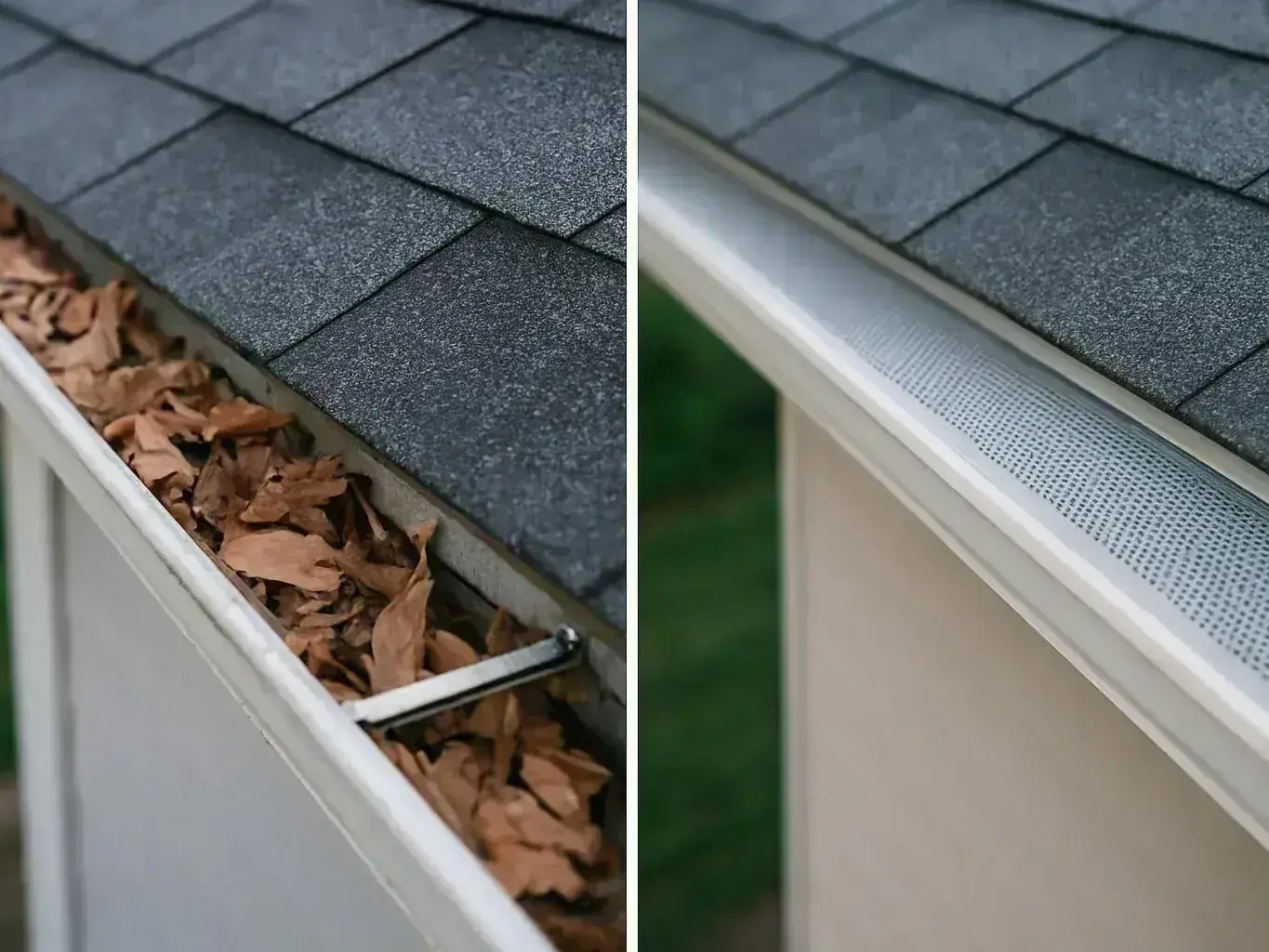
Compliance with building codes is especially essential for commercial properties, as they frequently have larger roof areas and more complex drainage needs. In cities like Springdale, where urban development is increasing, businesses must ensure that their gutter systems meet all local requirements to avoid potential issues. This includes using approved materials, following proper installation techniques, and ensuring that the system is designed to handle the expected volume of water.
Working with a experienced gutter installation company that is familiar with Arkansas building codes is essential for any commercial property owner. These experts can help navigate the requirements and ensure that the installation is done correctly the first time. This not only helps avoid legal issues but also ensures that the gutter system functions as intended for years to come.
Indicators Your Commercial Gutters Need Repair in Arkansas
Even the most well-installed commercial gutters in Arkansas may require maintenance over time. Regular care is essential to ensure that the system continues to function properly, but there are several symptoms that indicate when fix are needed. One of the most common indicators is water pooling near the foundation of the building. This can be a sign that gutters are clogged, damaged, or not properly sloped to direct water away from the structure.
Another indicator that commercial gutters need repair is apparent damage, such as cracks, leaks, or sagging sections. These issues can occur due to heavy rainfall, extreme temperatures, or the natural degradation of the materials over time. In areas like Fayetteville, where spring storms are common, gutters may be more prone to damage and require ongoing inspections. https://trevino-hu.blogbright.net/practical-pointers-for-organizing-gutter-installation-in-pine-bluff
Additionally, businesses should be aware of the condition of their gutters during and after heavy rain events. If water is spilling from the gutters or running down the sides of the building, it may indicate that the system is not functioning as intended. This can lead to extended damage to the foundation, walls, and surrounding landscape.
Regular reviews and service are key to detecting potential issues before they become significant problems. In Arkansas, where weather conditions can be variable, it's important for commercial property owners to stay active in maintaining their gutter systems. This includes cleaning gutters regularly, reviewing for signs of degradation, and resolving any issues immediately to prevent more damage.
What are the most common types of gutters used in Arkansas?
The most common types of gutters used in Arkansas include K-style, half-round, and box gutters. These styles are selected based on the specific needs of the commercial property and the local weather. K-style gutters are common for their deep channel and modern appearance, while half-round gutters are often used in historic or historic buildings. Box gutters are commonly found on larger commercial structures that require great-volume drainage.
How do environmental factors in Arkansas affect gutter installation?
Arkansas climate conditions, including heavy rainfall, temperature fluctuations, and occasional storm events, significantly impact gutter installation. The state's average annual rainfall, which can reach up to 50 inches in cities like Little Rock, requires gutters that can handle large volumes of water. Temperature changes can also influence gutter performance, as extreme heat or cold can cause materials to expand or contract, leading to potential damage. Storm conditions, such as high winds and hail, add to the difficulty the durability of gutter systems, making it important to select the right materials and installation techniques.
What components are best suited for Arkansas weather?
Materials ideal for Arkansas weather include aluminum, steel, and copper. Aluminum gutters are compact and corrosion-resistant, making them a favorite option for commercial properties. Steel gutters deliver more robustness and are perfect for locations with significant precipitation or common storm events. Copper gutters are known for their durability and aesthetic appeal, though they are more expensive than other options. Selecting the appropriate material makes sure the gutter system can endure the state's distinct climatic conditions.
What is the typical cost of gutter installation in Arkansas?
The standard price of gutter installation in Arkansas ranges from $10 to $20 per linear foot for professional services. Total costs can alter depending on the scale of the edifice, the variety of resources used, and the complexity of the setup. In metropolitan areas like Fayetteville and Springdale, where corporate development is current, companies may discover that regional contractors supply competitive rates for gutter installation. While the upfront investment may be significant, properly placed gutters assist stop liquid injury and lower long-term maintenance costs.
How regularly should gutters be cleaned in Arkansas?
Gutters in Arkansas should be cleaned at least twice a year, typically in the spring and fall, to remove debris and prevent clogs. In areas with heavy rainfall, such as Little Rock, more frequent cleaning may be necessary to ensure that the system functions properly. Regular maintenance helps prevent water damage, prolongs the lifespan of the gutter system, and ensures that the building remains protected from the region's unpredictable weather conditions.